


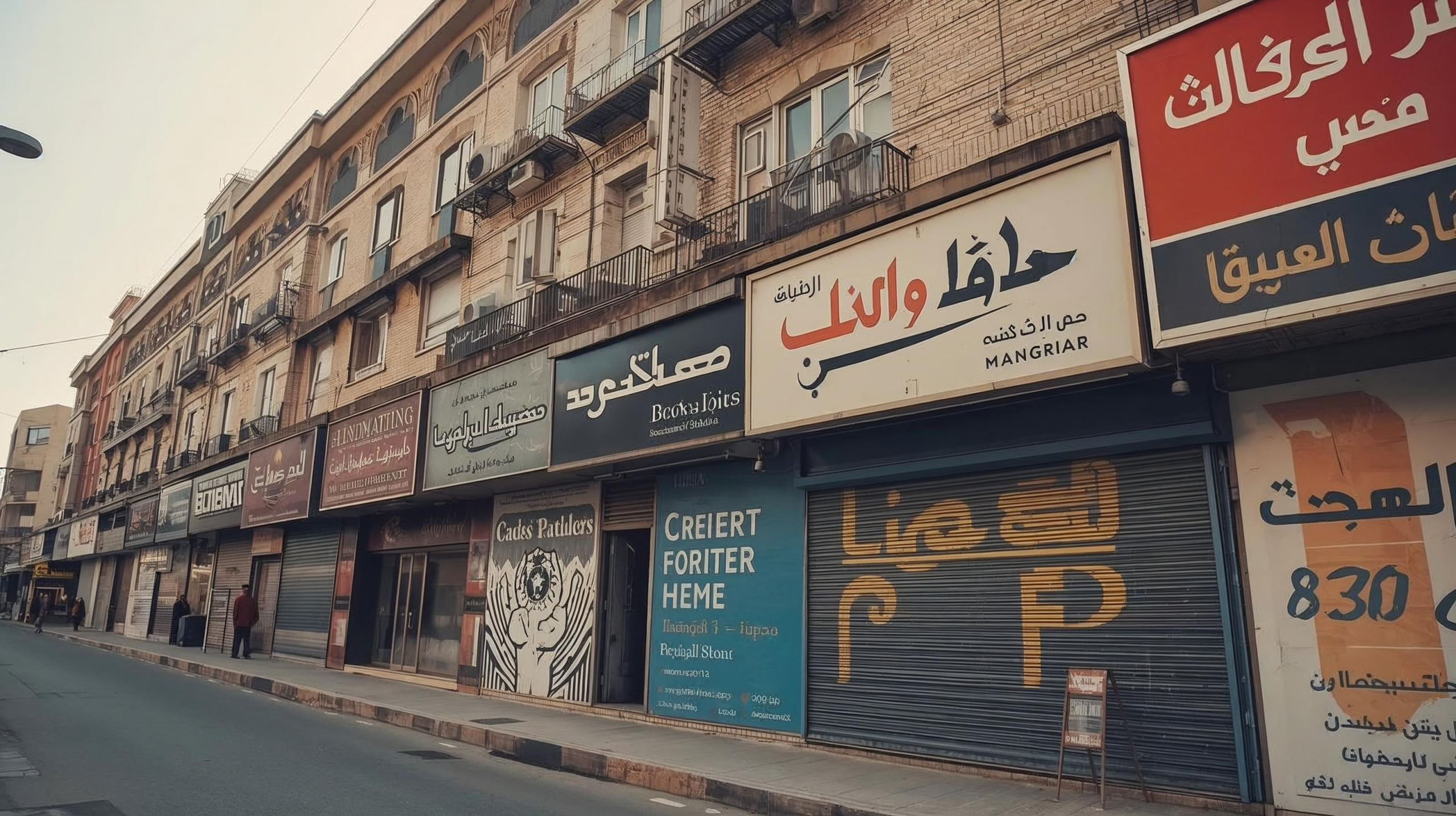
Why brands in kurdistan look the same?
The Sea of Sameness in Kurdistan’s Branding Landscape
Walk through any major mall in Erbil, scroll through Instagram, or browse billboards across Kurdistan, and a clear pattern emerges: many brands look strikingly similar. Minimalist logos, neutral color palettes, generic typography, and interchangeable taglines dominate the landscape. At a glance, it’s often difficult to tell one brand from another.
This isn’t unique to Kurdistan. Globally, branding has entered what many strategists call the era of “blanding”—where brands strip away personality in favor of safe, trend-driven aesthetics. However, in the Kurdistan and wider Iraq market, this effect is amplified. Local brands frequently mimic one another or replicate global visual trends without adapting them to a clear strategy or local context. The result is a crowded market of visually polished but strategically hollow brands.
The core issue isn’t talent or ambition. It’s the absence of strategic brand thinking. Branding is still widely treated as a surface-level exercise something cosmetic, rather than a foundational business asset. Logos are commissioned quickly, social media designs follow templates, and visual decisions are often made in isolation, disconnected from positioning, customer experience, or long-term growth goals. When every business looks to competitors for inspiration instead of clarity, sameness becomes inevitable.
“In a market where everyone plays safe, sameness becomes the biggest risk.”
The High Cost of Looking Alike
Playing it safe with branding may feel practical, but it carries hidden and long-term costs.
The most immediate risk is customer confusion. When brands look alike, customers struggle to remember them. Research shows that 71% of companies believe inconsistent or copycat branding causes confusion in the market. In such environments, purchasing decisions default to price, convenience, or availability none of which are sustainable differentiators. Competing on price alone erodes margins and weakens long-term positioning.
Trust is another casualty. Strong brands communicate reliability, values, and intent. According to McKinsey, during uncertain economic periods, consumers consistently gravitate toward brands they perceive as strong, stable, and trustworthy. These perceptions aren’t built through messaging alone; they are reinforced through clarity, consistency, and distinctiveness over time. When a brand blends into the background, it struggles to project confidence or credibility.
Values matter more than many businesses realize. Studies show that 64% of consumers cite shared values as the primary reason they maintain a relationship with a brand, far outweighing factors like frequency of engagement or promotions. A brand without a clear identity cannot express values and without values, loyalty remains shallow.
The financial impact is just as significant. 87% of consumers say they are willing to pay more for brands they trust. Differentiation enables pricing power. Without it, brands are trapped in discount cycles and short-term promotions. Over time, this weakens not only revenue but also enterprise value. Analysts estimate that over 80% of the value of modern companies lies in intangible assets such as brand equity, reputation, and customer loyalty. Ignoring branding is effectively undervaluing the business itself.

Why Brand Differentiation Drives Business Performance
Strong branding is not about aesthetics, it is about performance.
One of the most overlooked drivers of revenue is brand consistency. When a brand presents itself consistently across all touchpoints, visuals, messaging, tone, and experience. it becomes recognizable and reliable. According to Lucidpress, consistent brand presentation can increase revenue by 10% to over 30%. Forbes reports that consistency alone can boost revenue by up to 23%, largely due to improved recognition and trust.
Visibility is another outcome. Brands that apply their identity consistently are three to four times more likely to achieve strong brand awareness. In Kurdistan, where word-of-mouth and reputation travel quickly through personal networks, recognition plays a critical role. A brand that is easy to remember is more likely to be recommended, recalled, and chosen.
Global marketing leaders increasingly view branding as a core growth lever. McKinsey’s latest research shows that branding is ranked as the number one priority for CMOs, with emphasis on distinctiveness, emotional connection, and clarity of value proposition. In competitive markets, products can be copied and prices can be undercut, but a strong brand creates defensibility.
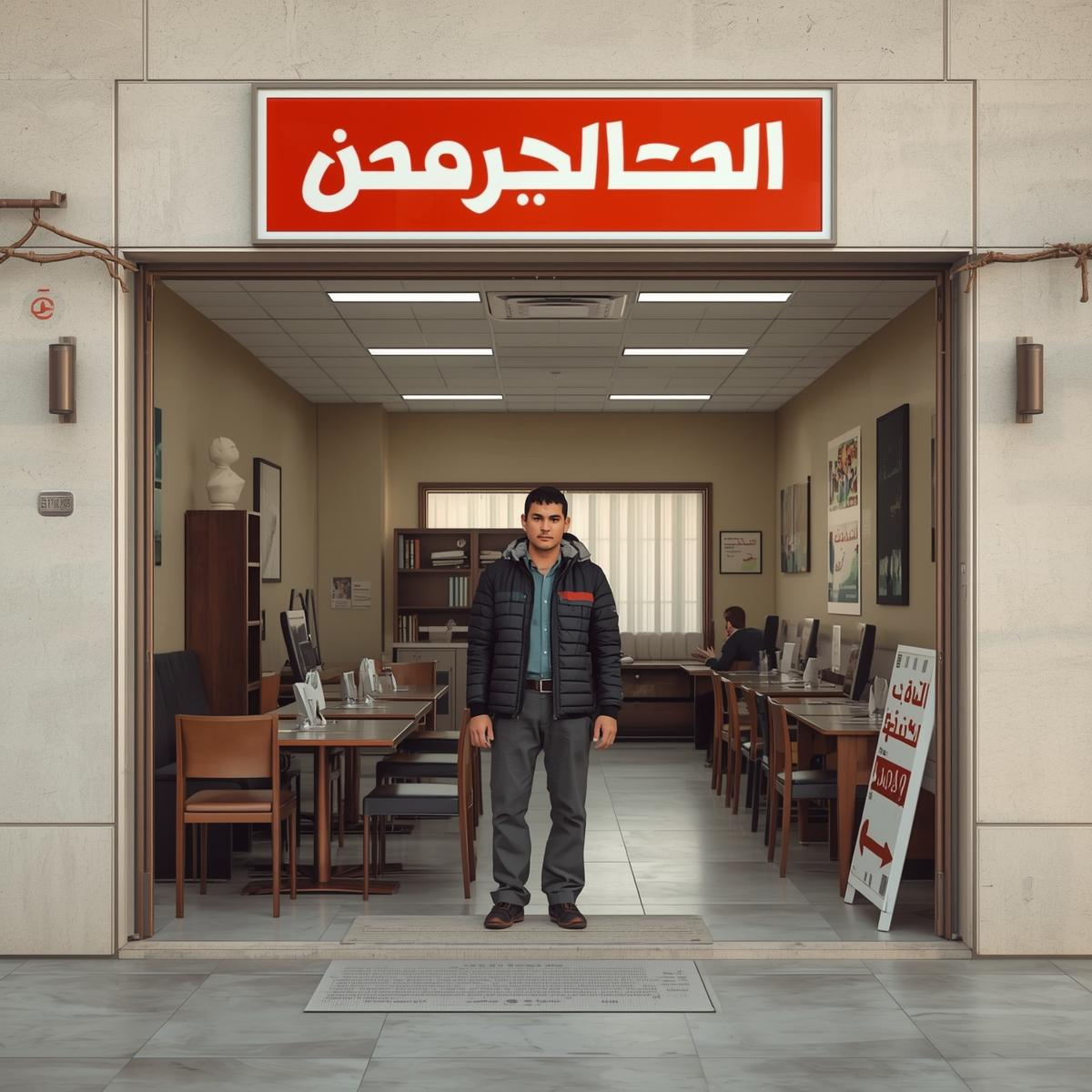

Building a Brand That Truly Stands Out
Breaking out of the sea of sameness requires intention and discipline. For companies in Kurdistan, differentiation is not about being loud or unconventional, it’s about being clear, authentic, and strategically aligned.
1. Define a clear brand strategy
A brand must begin with strategy, not visuals. This means clearly defining purpose, positioning, values, and personality. What does the brand stand for? Who is it for? Why should it exist in this market? McKinsey analysis shows that companies with a clear brand strategy achieve 20–30% higher long-term returns than those without one. Strategy ensures branding decisions are deliberate rather than reactive.
2. Create a distinctive visual identity
Visual identity is the most visible expression of strategy. Logos, colors, typography, and layouts should be designed to differentiate, not blend in. In Kurdistan, this may mean thoughtfully integrating local cultural cues, language, or symbolism in a modern and refined way. Distinctive does not mean complicated; it means intentional and recognizable.
3. Enforce brand guidelines rigorously
While 95% of companies claim to have brand guidelines, only 25% enforce them consistently. The result is fragmented brand experiences and diluted identity. Strong brands treat guidelines as operational tools, not design documents. Every internal team, agency, and partner must follow them without exception. Brands that strictly enforce guidelines are more than twice as likely to maintain consistency across channels.
4. Execute cohesive 360-degree campaigns
Integrated campaigns across digital, outdoor, social, and experiential channels amplify brand impact, only if the message is unified. Consistent exposure to the same visuals and values across platforms reinforces memory and trust. Research shows that multi-channel consistency leads to higher engagement, stronger recall, and increased loyalty.
5. Align branding with real customer experience
Branding does not stop at communication. It must be reflected in service quality, environments, staff behavior, and problem resolution. According to PwC, 32% of customers abandon a brand after a single bad experience. A strong brand promise must be matched by consistent delivery. Alignment between what a brand says and what it does is what transforms perception into loyalty.
What This Means for Businesses in Kurdistan
For business leaders in Kurdistan, differentiation is not optional, it is an opportunity. In a market where many brands look alike, those who invest in clarity, consistency, and authenticity gain an immediate advantage. Strong brands earn trust faster, command better margins, and build long-term value.
Crucially, standing out does not mean abandoning local identity. The most successful brands balance local relevance with global professionalism. They speak the language of their audience culturally and emotionally while maintaining strategic discipline and quality execution.
The brands that will define the next phase of Kurdistan’s economy will not be the loudest or the cheapest. They will be the clearest. They will know who they are, what they stand for, and how to express it consistently across every interaction.
As branding expert Marty Neumeier famously said, “When everybody zigs, zag.”
In Kurdistan today, most brands are zigging, playing safe, copying trends, and blending in. The leaders of tomorrow will be those who zag intelligently: building brands with purpose, discipline, and distinction.
Where bold brands begin is not just a slogan, it is a strategy. And for businesses ready to move beyond sameness, it is the foundation of sustainable growth.
Sources:
- McKinsey – Past Forward: Marketing’s Core (2025)
- Harvard Business Review (CEB research) – Shared Values Drive Brand Relationships
- Lucidpress State of Brand Consistency via Inc. Magazine
- Lucidpress press release (2019) – Consistent Branding and Revenue
- Salsify – 2025 Consumer Research Report
- Branding Strategy Insider (via PwC/Brand Finance) – Intangible Assets 80% of Value
- Neonshake Marketing – 360° Campaigns Build Trust
- Ingenious Agency – “Blanding” Trend Explanation